When Parents Play God — And Children Pay the Price
Understanding infidelity not as a moral failure alone, but as the wound of a broken system finally bleeding out.
A REFLECTION ON MARRIAGE, CONTROL & EMOTIONAL INHERITANCE
She found out on a Tuesday. An ordinary Tuesday — the kind where she had packed lunches, answered emails, and reminded her husband about his doctor's appointment. And then, in a quiet moment, she saw a message on his phone. Not the first sign. Not even the tenth. But the one she could no longer unsee.
She didn't scream. She didn't leave. She closed the screen, went back to the kitchen, and started making dinner.
This is not a story about one woman. This is the story of many — women who carry the weight of a fracture that no one around them is willing to name. And it is also, if we are honest, the story of the men who created that fracture — men who themselves don't fully understand why they did what they did.
To understand infidelity in our cultural context, we cannot start with the affair. We have to start much, much earlier. We have to start with a family sitting at a table, making a decision about a young person's life — as if that young person's heart were simply not in the room.
The Pattern Nobody Talks About
Over time, a quiet but devastating pattern emerges across many cases of infidelity — particularly in South Asian and Muslim communities. On the surface, these cases look different. Different cities. Different families. Different circumstances. But beneath the surface, the structure is almost identical.
CASE — THE BUSINESSMAN
He wanted to marry her. His family said no — he didn't have a good enough job. She married someone else. He rebuilt himself. He became successful. And then, years later, when she was available again, he went back. His wife — who had stood beside him through every difficult year — was left trying to understand what she had done wrong. She had done nothing wrong. That was never the point.
CASE — THE SILENT DECADES
Forty years of marriage. Four children raised, educated, settled. She drove them to school. She paid bills when money was short. She stayed silent when she discovered the truth after the very first year — because what choice did she have? Decade after decade, she built a life with the discipline of someone defusing a bomb. Then one day, her son read his father's messages. And she had a stroke. Her body finally said what her voice never could.
These are not isolated tragedies. They are symptoms. And symptoms always point to something deeper.
"The infidelity did not begin with another person. It began the day a young man or woman was told that their feelings did not matter — and believed it."
What the Psychology Is Actually Telling Us
When a person is forced into a marriage — or separated from someone they deeply felt for — they do not simply move on. The human heart does not work that way. What they experience is a grief that is never named, never processed, and never allowed to complete itself.
That unfinished emotional story does not disappear. It goes underground. It waits.
Psychologists describe this as an open loop — the mind obsesses over what is incomplete far more than what is resolved. The "one that got away" becomes idealised over time, not because they were perfect, but because that relationship was never tested by the reality of daily life, disagreement, and growth. It remains frozen in the imagination — forever young, forever perfect, forever what could have been.
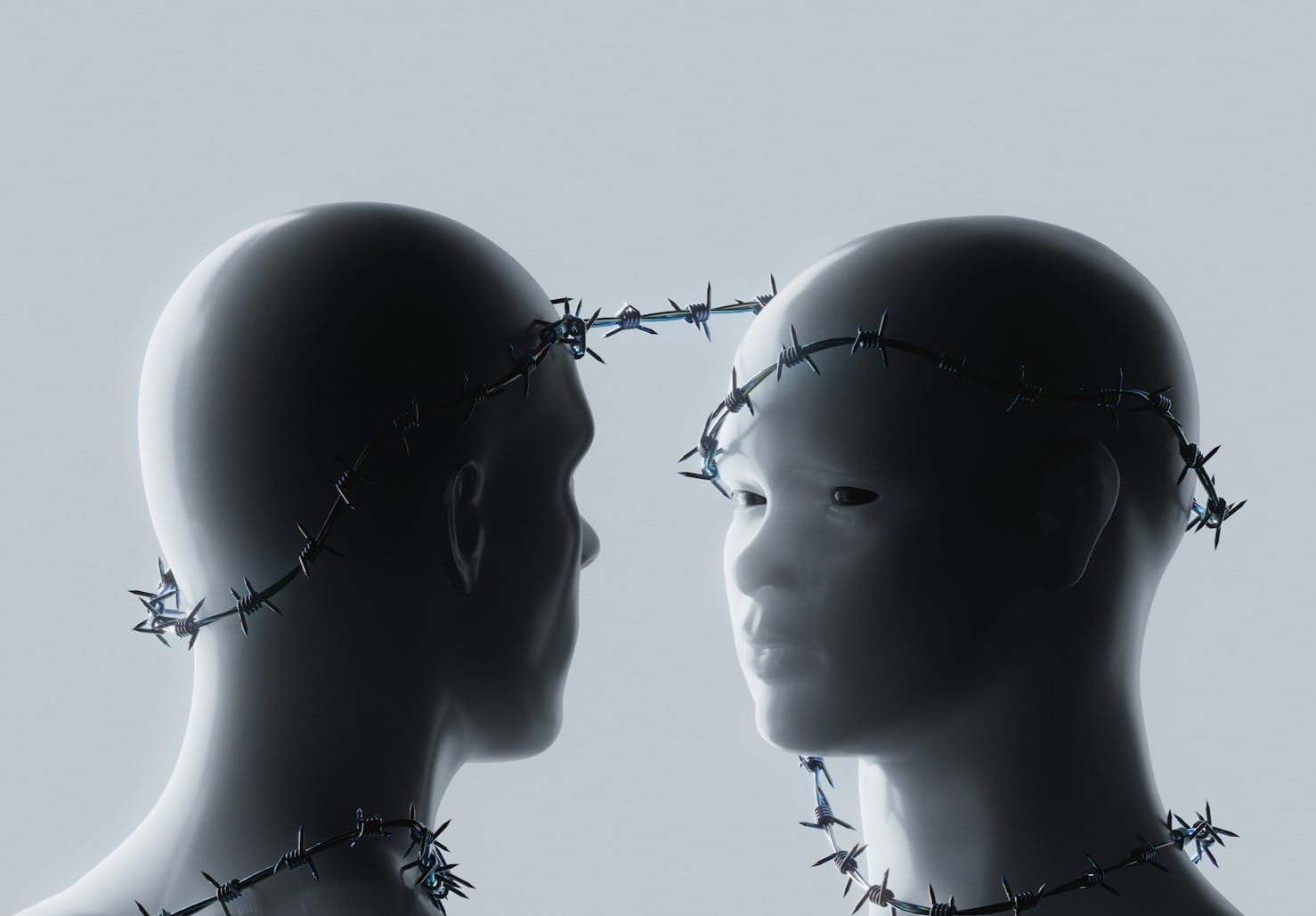
Meanwhile, the real marriage — the real person beside them — absorbs everything. The frustration. The distance. The slow withdrawal. The self-destruction.
She was educated. Skilled. The kind of woman who understood pain professionally — and lived it privately. He had carried an unresolved attachment into their marriage, one his family had forbidden years before. What began as distance slowly became addiction — not just cigarettes, but substances that numbed what he could never name. His health deteriorated. His body's own stress system began to fail.
She understood the psychology of it. She helped him anyway. She funded the family. Raised the children. Upgraded herself. And still — she showed up the next morning.
Her body kept its own record. The pain settled in her hips and lower back. Her cycles became heavy, relentless. The diagnoses came one after another — polyps, fibroids — her body staging a protest her voice was never allowed to make.
She had spent years helping others heal. Nobody asked if she was okay.
This is not a defence of his behaviour. It is a diagnosis of it. There is a profound difference between the two.
The Powerlessness-to-Power Shift
One of the most consistent elements in these cases is timing. The infidelity rarely happens immediately. It happens later — often years or decades into the marriage — when something shifts. A business takes off. A career stabilises. The children grow up. Suddenly, the person who once had no choice begins to feel, for the first time, that they have options.
And the first thing they reach for is the thing that was taken from them.
This is not love. This is compensation. This is a person trying to reclaim a self that was overruled — not through wisdom, not through healing, but through the only means available to someone who was never taught another way.
They are not going back to a person. They are going back to the version of themselves that never had to grow up.
The Systemic Failure We Refuse to Name
These are not just personal failures. They are the harvest of a broken system — families who prioritised status, class, and control over emotional readiness. Societies that gave young people no language to grieve romantic loss. Marriages built on compliance rather than choice — which then became quiet prisons for everyone involved, including the wives who did absolutely nothing wrong.
We raise our children to be obedient. We teach them to suppress, to comply, to not question. We make enormous decisions about their lives — who they will spend every day with, who will share their bed, who will be the parent of their children — and we make those decisions based on salary, family name, skin tone, or simply our own unexamined preferences.
And then we are shocked when something breaks.
But it was always going to break. Because a human being is not a simple equation. A human being is layers — complex, emotional, spiritual, deeply feeling. When you override that complexity with control, you do not eliminate it. You compress it. And compressed things, eventually, explode.
What About Emotional Intelligence?
We speak often about education — degrees, grades, professional qualifications. But we give almost no attention to what might be the most important education of all: how to know yourself. How to name what you feel. How to grieve a loss without destroying the life around you. How to choose a partner not based on family pressure but on genuine compatibility and readiness.
This is not a luxury. It is a foundation. Without it:

A young man who loses the girl he loved has no framework to process that grief — so he marries someone else and carries the wound into her life.
A young woman who is married off without full choice has no language for her own needs — so she learns to disappear.
Parents who never examined their own emotional world make decisions from fear and ego — and call it wisdom.
Communities that confuse control with protection create generations of emotionally stunted adults — and wonder why their families are fracturing.
We are not raising emotionally intelligent human beings. We are raising performers. And when the performance becomes too heavy to sustain — someone always pays. Usually, it is the one who was already giving the most.
To the Wives — Who Already Know
If you are a woman reading this and something in these words is landing somewhere deep and quiet inside you — I want to say something directly to you.
Your endurance is extraordinary. But endurance was never supposed to be the whole of your life.
You did not cause this. You could not have prevented this by being better, quieter, more understanding, more educated, thinner, or more patient. What happened in your marriage has roots that go back decades before you even entered the picture. You were handed a wound that was not yours — and you carried it because you loved your family, your children, your life.
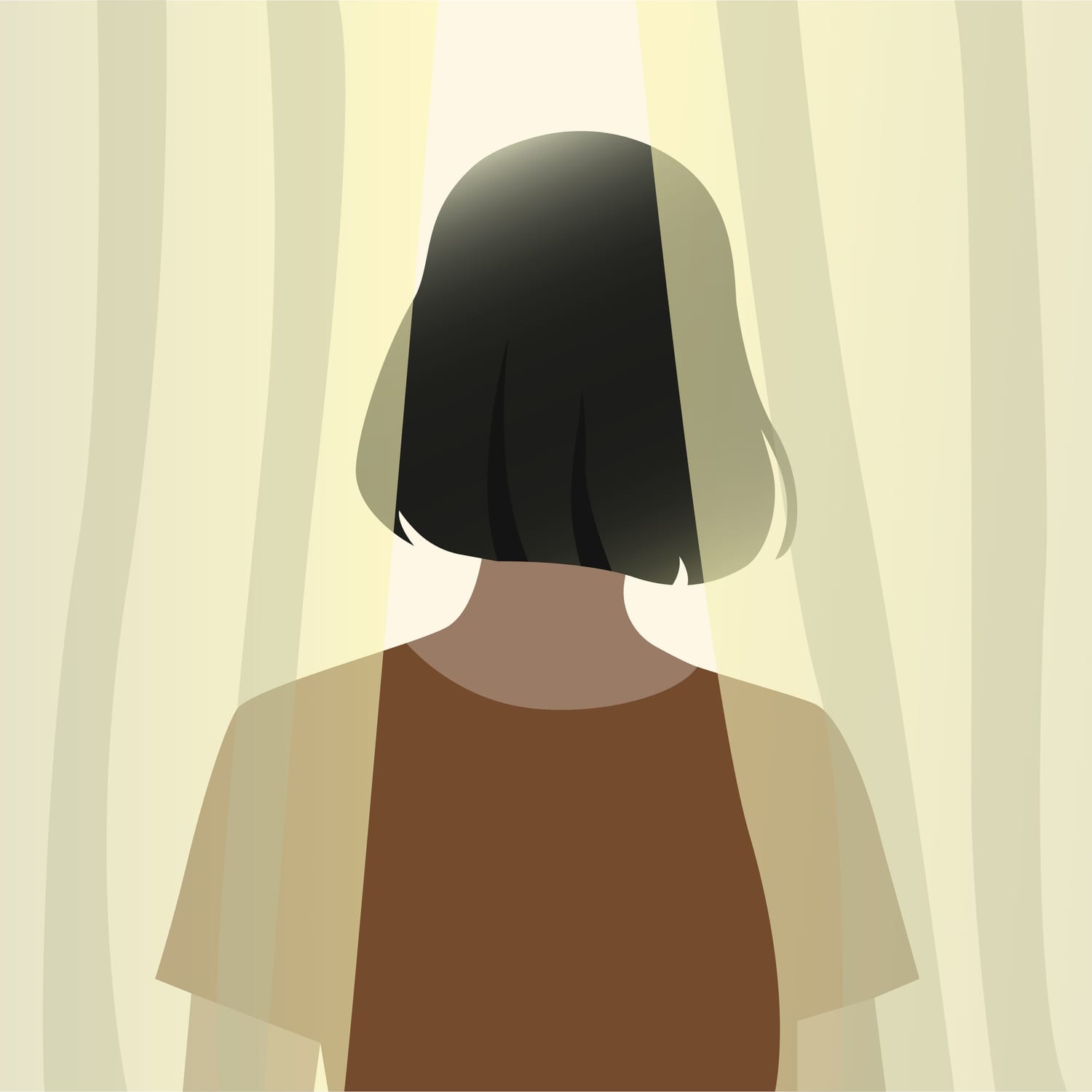
But being unseen is not the same as being unimportant. And silence is not the same as strength — even when it looks like it from the outside.
Your experience deserves to be named. Your grief deserves to be witnessed. You deserve more than survival.
This Is Not a Justification. This Is a Map.
Understanding why a fire starts does not mean you don't put it out. Explaining the roots of infidelity is not the same as excusing it. The person who made the choice to betray their partner is still responsible for that choice — regardless of their history, their wounds, or their unmet needs. There are always other paths. Conversation. Honesty. Therapy. Divorce, even. All of them more honourable than deception.
But if we want to reduce the harm — if we want fewer women having strokes in their sixties, fewer men destroying their health through suppressed grief, fewer children growing up in houses full of silent damage — then we have to be willing to look at the system that produces these outcomes.
We have to be willing to ask: What did we teach our children about their own hearts? What did we model? What did we forbid them to feel?
And we have to be willing to answer honestly.
"It is not 2 + 2 = 4. It never was.
It is an onion, layer after layer —
and beneath every act of betrayal
is a child who was never taught
that their heart was worth listening to."
Join Our Healing Circle
Receive healing insights, stories, and resources
